
What if the watch on your wrist could look more expensive, more aggressive, and far less predictable than the usual Swiss names?Some microbrands disappear after the hype fades, but LIV watches have built a recognizable identity of their own. With oversized cases, layered dials, Swiss movements, sapphire crystals, and rugged specifications, LIV creates watches that are difficult to confuse with anything else.
The verdict is straightforward: LIV is a legitimate Swiss-made microbrand worth considering if you value bold design and strong specifications over traditional luxury-brand prestige. The trade-off is size, as many models wear large and visually busy, making them a better match for buyers who want their watch to stand out.
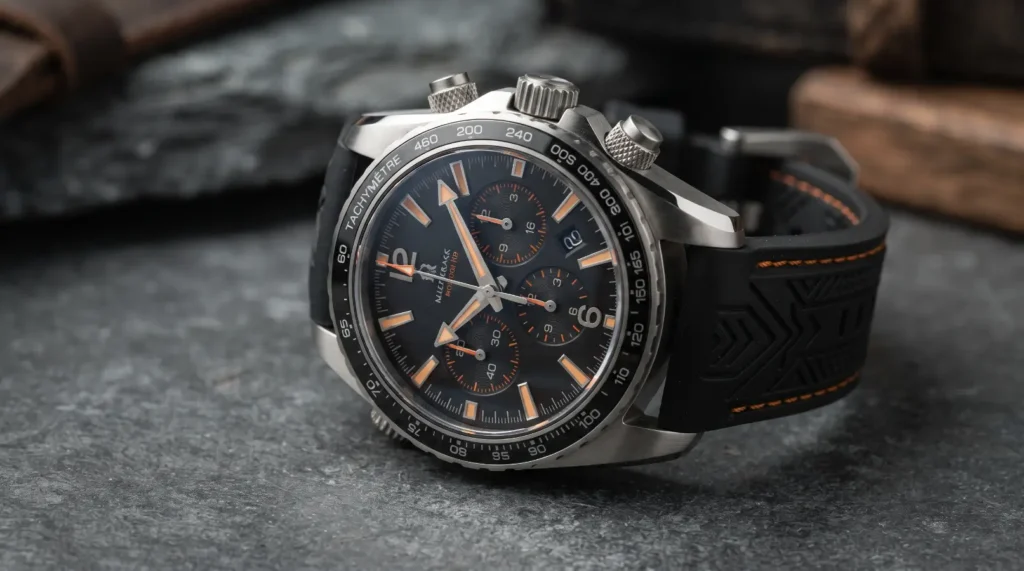
What Is LIV Watches Known For?
LIV started as an independent brand built around the idea of making Swiss watches more distinctive and accessible. The company traces its first Kickstarter campaign to 2014, with the GX1 becoming its foundational chronograph design. LIV later expanded into divers, pilot watches, outdoor models, and, more recently, GMT watches.
The brand operates from Miami, while its watches are manufactured and assembled in Switzerland. LIV says its watches are handmade in La Chaux-de-Fonds and that its process involves more than 55 handmade steps.
That combination explains the appeal. You’re not buying a conservative Swiss dress watch. You’re buying something deliberately bold.
Common LIV characteristics include:
- Swiss automatic or quartz movements
- Sapphire crystals with anti-reflective treatment
- 316L stainless steel, titanium, or composite cases
- Multi-layered dials
- Strong lume
- Sport-oriented water resistance
- Large case dimensions
- Direct-to-consumer pricing
- Five-year international warranty and 90-day return period according to the brand
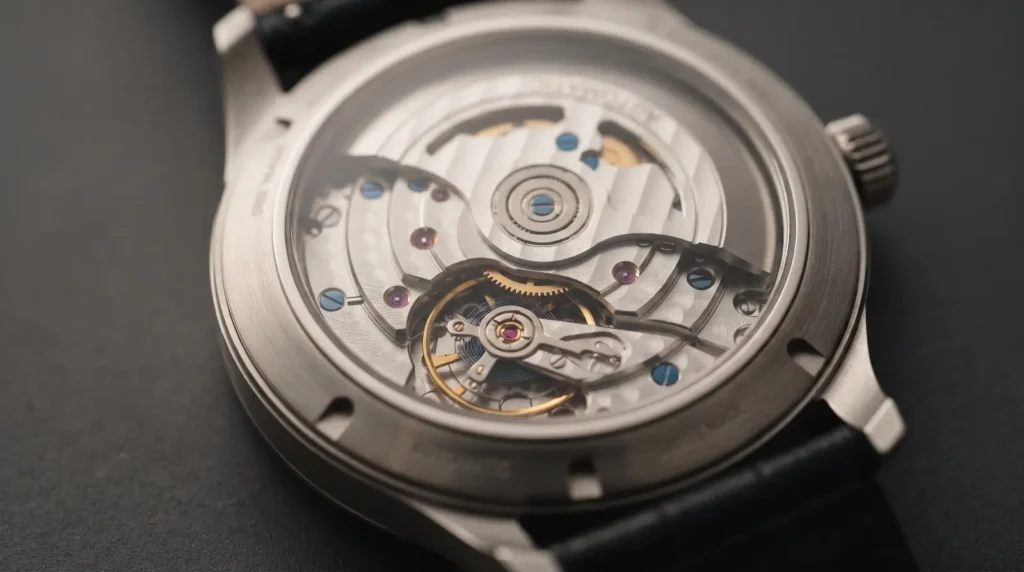
Are LIV Watches Good Quality?
Yes, with an important qualification: they’re best judged as enthusiast-oriented microbrand watches, not as substitutes for established Swiss luxury houses.
The hardware is compelling for the money. LIV uses sapphire crystal throughout much of its lineup, Swiss movements from suppliers such as ETA and Sellita, and cases designed around specific use cases. Its manufacturing information also states that movements are adjusted and tested for accuracy before leaving the Swiss workshop.
Real-world owner feedback is broadly positive about build quality and design, although it isn’t unanimous. Some owners praise the robustness, customer service, and distinctive styling, while others criticize the large cases, busy dials, or customer-service experiences.
That’s actually useful information.
A watch brand with only glowing feedback deserves skepticism. LIV’s enthusiast discussions show both sides: plenty of owners love their watches, while some buyers have concerns about communication, presentation, resale value, or sizing.
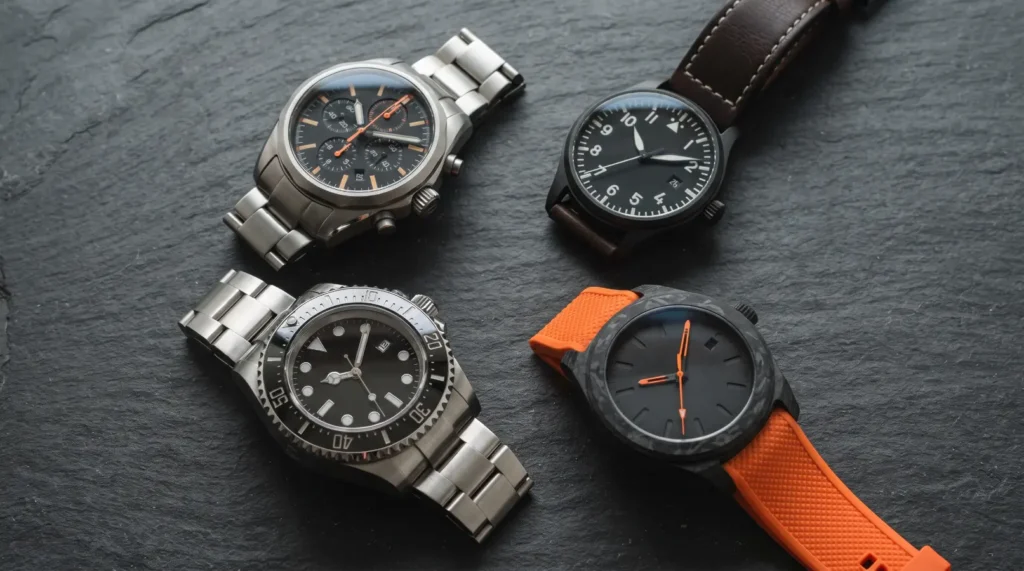
The Best LIV Watches to Consider
LIV’s catalog is broad enough that choosing purely by price doesn’t make much sense. A diver, GMT, chronograph, and lightweight outdoor watch serve completely different purposes.
Here are the models I’d put at the top of the shortlist.
| Model | Movement | Water Resistance | Case | Current Listed Price | Best For |
|---|---|---|---|---|---|
| GX1 | Swiss quartz 5040.D | 200m | 45mm | $600 | Chronograph value |
| GX-Diver 41mm | Swiss automatic | 300m | 41mm | $950 | Everyday diver |
| Gravel 001 | Sellita Elaboré automatic | 100m | 43mm | $950 | Outdoor use |
| Trekker GMT | Swiss automatic | 100m | — | $1,300 | Travel |
| P-51 Pilot | ETA 7750 automatic chrono | 100m | 42.8mm | $2,100 | Pilot-style chronograph |
Prices are current listed U.S. prices and can change with colorway, promotion, or availability.
LIV GX1: Best Budget Chronograph
The GX1 is the watch that established LIV’s identity, and it remains one of the easiest models to understand.
The current GX1 uses a Swiss caliber 5040.D quartz chronograph with 1/10-second timing, a sapphire crystal, screw-down crown, 316L stainless-steel case, and 200-meter water resistance. The case is a substantial 45mm with a 13.4mm height. Current listed examples sit around $600.
Why it made the list: it gives you the full LIV experience without entering four-figure territory.
The catch is size. At 45mm with long lugs, this is not a discreet chronograph. Smaller-wrist buyers should think twice before ordering.
Best for: buyers who want maximum personality and don’t mind a large watch.
LIV GX-Diver 41mm: Best Everyday Choice
If you want the LIV design language but need something slightly easier to wear, the GX-Diver 41mm is the smarter starting point.
The current Full Lume version is listed at $950 and combines a 26-jewel Swiss automatic movement with a 42-hour power reserve, sapphire crystal, screw-down crown, and 300-meter water resistance.
This is where LIV’s formula makes the most sense. The diver styling gives the oversized design a practical reason to exist, while 41mm is considerably easier to live with than some of the brand’s 44mm and 45mm options.
Owner feedback is also encouraging. Recent buyers frequently praise the watch’s appearance, sturdiness, lume, and customer service, although community discussions still mention lume and service experiences as areas where opinions differ.
Best for: someone wanting one LIV that can handle daily wear, weekends, and water.
LIV Gravel 001: Best Lightweight Outdoor Watch
The Gravel 001 is arguably the most interesting model for someone who thinks a conventional steel sports watch feels too heavy.
Its case uses LIV’s Dense Carbon construction, a carbon-fiber/polyamide composite designed to keep weight down. The current Ocean Blue version weighs just 62g, measures 43mm across and 12.9mm thick, and carries 100-meter water resistance.
Inside is a Sellita Elaboré-grade Swiss automatic movement with 26 jewels, a 42-hour power reserve, and stated accuracy of ±5 seconds per day. The watch also gets sapphire crystal and a shock-resistant construction aimed at outdoor use.
At $950, it sits in an interesting middle ground: more technical than a conventional field watch but less serious-looking than a traditional diver.
Best for: hiking, travel, outdoor use, or anyone who values low weight.
LIV Trekker GMT: Best for Travel
The Trekker GMT is the obvious choice if your watch needs to follow you across time zones.
LIV introduced it as its first GMT in 2025, and the current collection combines a Swiss automatic movement with a 24-hour GMT display, ceramic bezel, sapphire crystal, and 100-meter water resistance. The Shadow Steel version is currently listed at $1,300.
The design stays unmistakably LIV rather than trying to imitate a traditional travel watch. That’s important because the Trekker is aimed at buyers who want GMT functionality without ending up with another conservative office watch.
Best for: frequent travelers who want a bold mechanical GMT.
LIV P-51 Pilot: Best Premium Chronograph
The P-51 is where the brand moves from affordable microbrand territory into serious enthusiast-watch pricing.
The current P-51 Pilot Man O’ War is listed at $2,100 and uses an ETA 7750 automatic chronograph with 25 jewels and a 42-hour power reserve. It combines a titanium case, ceramic bezel, sapphire crystal, day-date display, and 100-meter water resistance.
At 42.8mm wide and 15mm thick, it remains a substantial watch despite the relatively light titanium construction.
This is the LIV to buy if you specifically love aviation-inspired chronographs and want a more established Swiss automatic movement.
Best for: larger wrists and buyers who want a serious pilot-style mechanical chronograph.
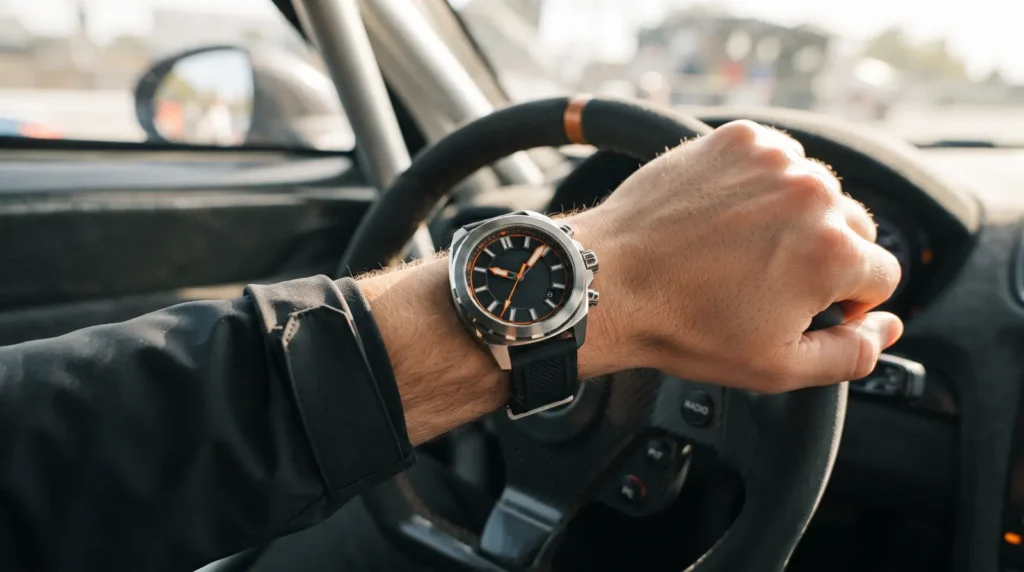
What Makes LIV Different From Other Microbrands?
The easiest way to understand LIV is to forget the idea that every microbrand is chasing minimalist value.
LIV isn’t.
Many independent brands compete by offering restrained designs, smaller cases, or familiar vintage-inspired proportions. LIV takes the opposite route. Its multi-layer dials, knurled bezels, oversized cases, bright colors, and aggressive case shapes are central to the product rather than decoration around it.
That creates a very specific buyer profile.
You will probably enjoy LIV if you:
- Like watches that attract attention
- Prefer sporty designs
- Enjoy mechanical or Swiss movements
- Want sapphire crystal
- Don’t mind larger cases
- Prefer independent brands over mainstream names
- Care more about specifications and personality than prestige
You may want to look elsewhere if you prefer:
- Thin dress watches
- Understated dials
- Small cases
- Strong resale markets
- Traditional luxury-brand recognition
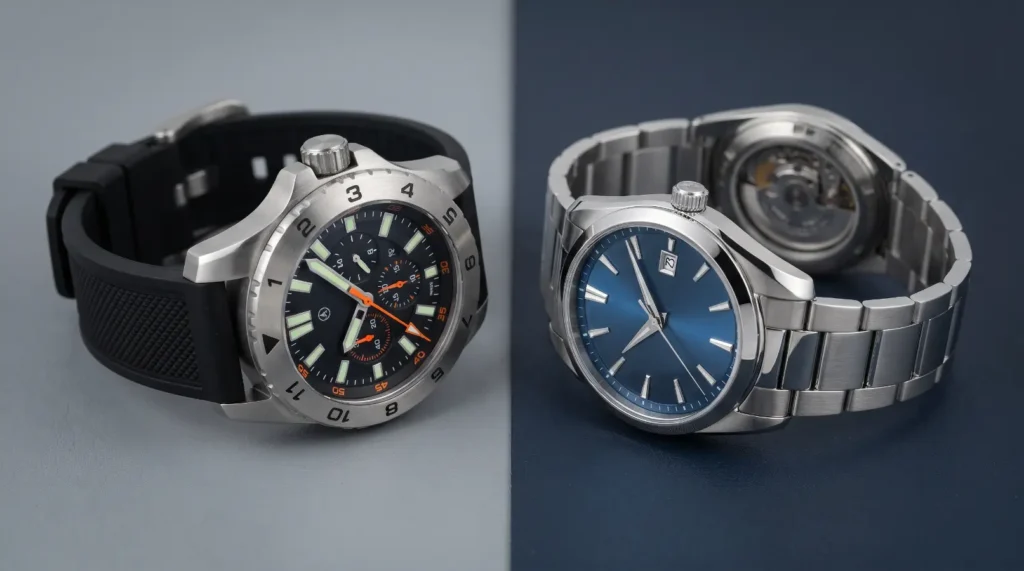
LIV vs Formex: Which Is Better?
Formex is one of the more interesting alternatives to consider because both brands target enthusiasts who want Swiss-made watches without paying traditional luxury-brand prices.
The difference is philosophy.
LIV prioritizes visual impact. Formex generally puts more emphasis on refined engineering, ergonomic case design, and a more restrained overall aesthetic.
If you want a watch that people will notice across a room, LIV has the advantage. If you want something that feels more conventional and refined while still being independent, Formex may be the better direction.
There is also a practical consideration: don’t buy either brand simply because the specification sheet looks impressive. Case dimensions, lug-to-lug length, thickness, bracelet quality, movement choice, servicing, and resale all matter once you’re spending four figures.
The Biggest Problem With LIV Watches: Size
This is the issue prospective buyers should take most seriously.
A 43mm or 45mm watch can look fantastic in product photography and still feel excessive on your wrist. Community discussions about LIV repeatedly bring up the large dimensions, especially among buyers looking for compact divers.
The GX1, for example, is 45mm wide and 52mm from lug to lug.
The Gravel is 43mm but has a 50.1mm lug-to-lug measurement.
So don’t shop by diameter alone.
Before buying, check:
- Case diameter
- Lug-to-lug distance
- Thickness
- Your wrist circumference
- Whether the strap or bracelet can wrap comfortably
A 41mm diver may be a dramatically better fit than a 44mm model even if you normally wear larger watches.
LIV Watch Prices: Are They Worth It?
Current LIV pricing generally puts the brand in the enthusiast and microbrand segment rather than traditional Swiss luxury.
Entry-level GX1 models are around $600, while automatic models such as the GX-Diver and Gravel sit around $950. The Trekker GMT is around $1,300, while premium P-51 chronographs reach roughly $2,100.
That pricing makes sense if you value the combination of Swiss manufacturing, sapphire crystal, unusual case construction, and distinctive design.
It makes less sense if your primary goal is resale value or brand prestige.
LIV is not the watch to buy because you expect everyone to recognize the name. It’s the watch to buy because you actually like the watch.
That’s a much healthier reason to spend $600, $1,000, or $2,000.
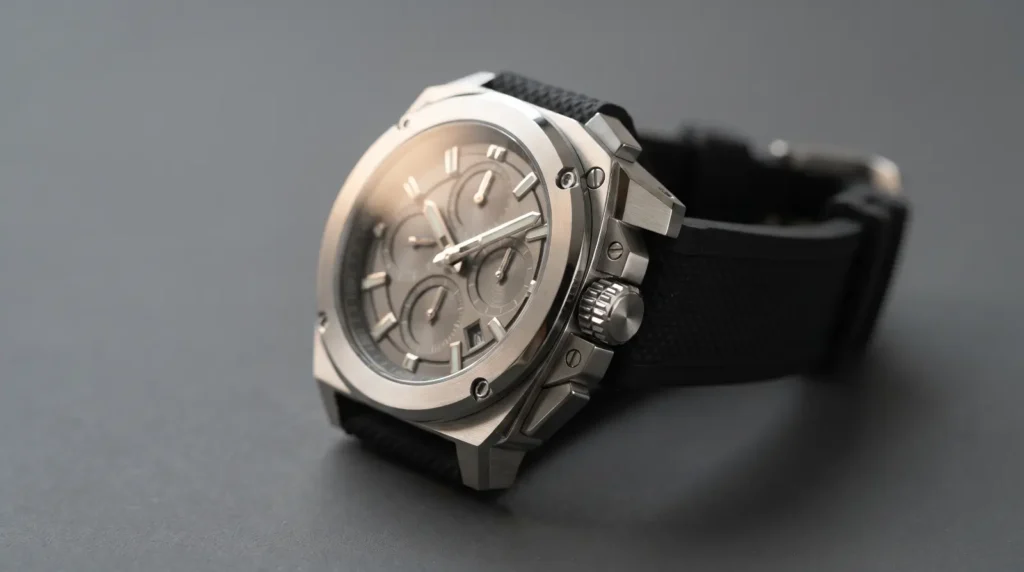
Pros and Cons
LIV’s strengths become obvious once you compare the watches with mainstream brands at similar prices. But the drawbacks deserve equal attention.
Pros
- Swiss-made positioning and Swiss movements
- Sapphire crystals on many models
- Strong water resistance on sport models
- Distinctive multi-layer dial designs
- Excellent variety of chronographs, divers, GMTs, and outdoor watches
- Five-year international warranty
- 90-day return window according to LIV
Cons
- Many watches are large
- Some dials can feel visually busy
- Brand recognition is limited compared with major Swiss names
- Resale may be weaker than established luxury brands
- Owner experiences with customer service are not universally positive
- Some models are expensive enough that alternatives deserve serious comparison
Common Mistakes to Avoid
The biggest mistake is buying a LIV from a specification sheet without considering how aggressively the design wears.
Another mistake is assuming Swiss-made automatically means luxury-level finishing. Swiss manufacturing is meaningful, but the category includes everything from affordable quartz watches to high horology.
Before buying, keep these points in mind:
- Don’t ignore lug-to-lug size. Diameter alone doesn’t tell you how large a watch will feel.
- Don’t buy the most expensive model just because it has a better movement. Decide whether the complication actually matters to you.
- Don’t confuse water resistance with dive-watch certification. A high meter rating is useful, but it doesn’t automatically make every watch a professional dive instrument.
- Don’t expect Rolex-level resale. LIV is an independent microbrand, so purchase for enjoyment rather than investment.
- Don’t choose purely from photographs. The brand’s bold styling looks very different depending on wrist size.
The Final Talk
A bold watch should make you look twice, and LIV does exactly that.LIV combines Swiss construction, sapphire crystals, reliable movements, and distinctive designs at prices below traditional Swiss luxury.The GX-Diver 41mm is the best all-around choice for most buyers, while the GX1 suits chronograph fans and the Trekker GMT makes sense for travelers.The main drawback is size, as several models wear large on the wrist.
Still, if you want a bold Swiss microbrand watch with real personality, LIV is absolutely worth considering in 2026.Its unusual designs also give the brand an edge over safer, more traditional microbrands.Just make sure the case dimensions work with your wrist before placing an order.For buyers who value individuality over brand prestige, LIV offers a genuinely compelling package.
FAQs
Yes. LIV offers Swiss-made watches with sapphire crystals, Swiss movements, strong water resistance on many models, and distinctive designs. The main caveats are large case sizes, polarizing aesthetics, and less established resale value than major luxury brands.
Yes. LIV says its watches are handmade in Switzerland, with manufacturing and watchmaking centered around Swiss facilities while its headquarters are in Miami.
LIV states that its watches are Swiss-made and says they are handmade in Switzerland. However, as with many watch brands, individual components can come from different suppliers, so “Swiss-made” should not be interpreted as meaning every component is necessarily manufactured in Switzerland.
LIV says its watches are handmade in La Chaux-de-Fonds, Switzerland. The company itself is headquartered in Miami’s Wynwood district.
The GX-Diver 41mm is one of the strongest everyday choices because its 41mm case is more manageable than LIV’s largest models while still offering automatic movement, sapphire crystal, and 300-meter water resistance.
Discover More,
QUARTZ WATCHES: 7 BRILLIANT MODELS TO BUY IN 2026
Versace Watches: 5 Iconic Picks to Know in 2026
Chronograph Watches: 7 Brilliant Picks for 2026
[author box]